
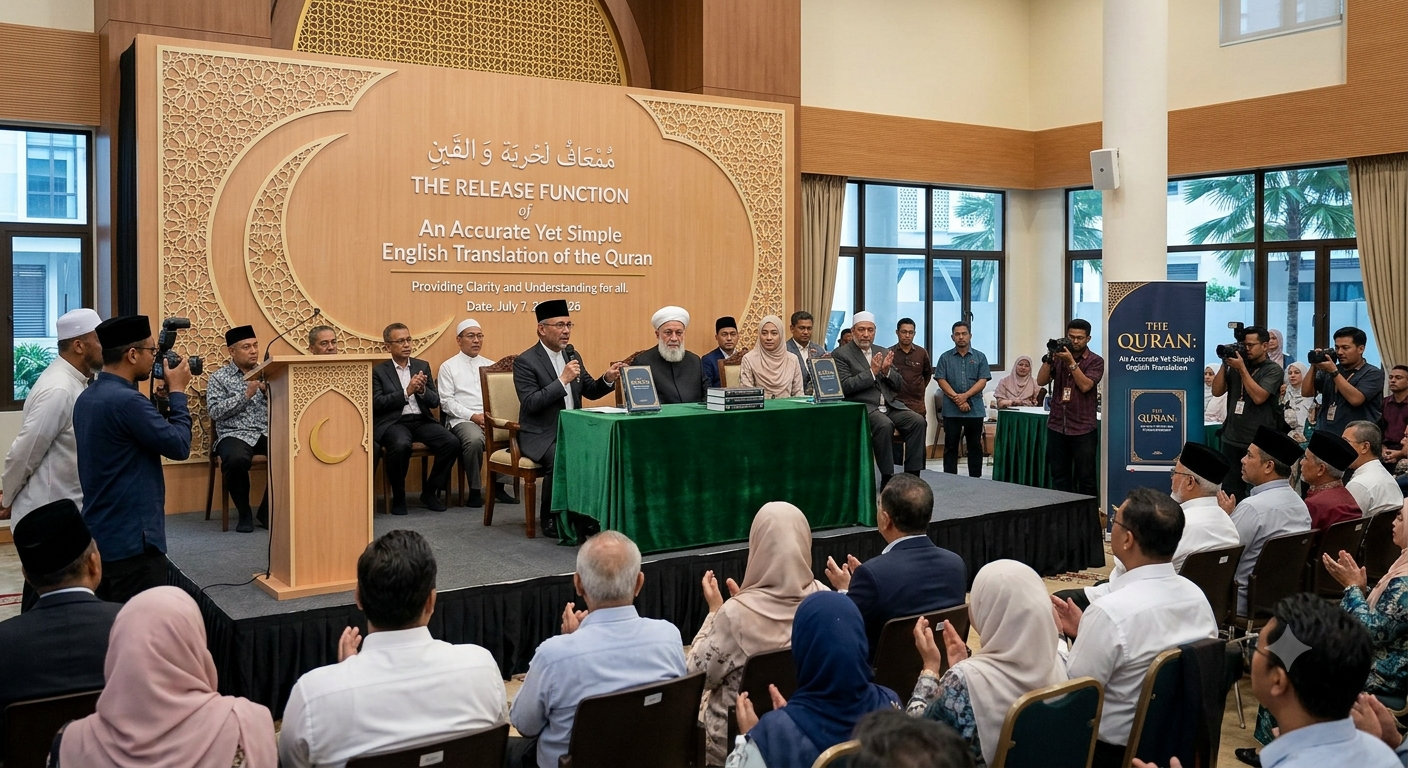
Release Function of an Accurate Yet Simple English Translation of the Quran
The launch of an accurate yet simple English translation of the Quran marks an important step in making the message of Islam more accessible to English-speaking readers around the world. Designed to balance linguistic accuracy with easy-to-understand language, the new translation aims to help both Muslims and non-Muslims better understand the teachings of the Holy Quran without losing the meaning of the original Arabic text.
As interest in Quran translations continues to grow globally, scholars emphasize the importance of providing translations that remain faithful to the original message while being readable for modern audiences.
Why an English Translation of the Quran Matters
The Quran was revealed in Arabic, but millions of Muslims and interested readers worldwide do not speak the language fluently. English translations help bridge this gap by making the Quran’s teachings accessible to a broader audience.
A well-prepared translation can help readers:
- Understand the meanings of Quranic verses
- Learn about Islamic beliefs and values
- Study the Quran more effectively
- Support personal reflection and learning
- Improve interfaith understanding
While translations provide valuable guidance, Muslims believe that the Arabic text remains the original and unchanged word of Allah.
Balancing Accuracy and Simplicity
One of the greatest challenges in translating the Quran is preserving the meaning of the Arabic text while using clear and natural English.
The new translation focuses on:
- Simple vocabulary
- Accurate interpretation
- Smooth sentence structure
- Contextual explanations where needed
- Easy readability for beginners
This approach makes the translation suitable for students, new Muslims, educators, and anyone seeking a better understanding of the Quran.
Is the Quran Translated Into English?
Yes. The Quran has been translated into English many times over the past century.
However, scholars often remind readers that a translation is an interpretation of the meanings rather than a replacement for the original Arabic Quran.
Today, numerous English translations are available, each with its own style, language, and scholarly approach.
What Is the Most Accurate Quran Translation?
There is no single translation universally regarded as the only accurate version. Different translations emphasize different aspects, such as literal wording, readability, or explanatory notes.
Popular English translations include works by:
- Abdullah Yusuf Ali
- Muhammad Marmaduke Pickthall
- Saheeh International
- Dr. Mustafa Khattab
- Muhammad Asad
Many readers compare multiple translations alongside the Arabic text for deeper understanding.
History of Quran Translation Into English
Efforts to translate the Quran into English date back several centuries.
Early English translations were often produced by non-Muslim scholars and sometimes contained inaccuracies. Over time, Muslim scholars prepared more reliable translations based on classical Islamic scholarship.
Modern translations now aim to combine:
- Faithfulness to the Arabic text
- Clear contemporary English
- Scholarly authenticity
- Accessibility for general readers
Quran Translation in Different Languages
The Quran has been translated into hundreds of languages, making it one of the world’s most widely translated religious texts.
Translations are available in:
- English
- Urdu
- French
- Spanish
- Turkish
- Indonesian
- Malay
- German
- Chinese
- Many other languages
These translations help Muslims and non-Muslims alike understand the Quran’s message regardless of their native language.
Who Benefits From Simple English Translations?
A simplified English translation can benefit many groups, including:
- Students of Islam
- New Muslims
- English-speaking families
- Researchers
- Teachers
- Non-Muslims interested in learning about Islam
Clear language reduces barriers to understanding while preserving the core message of the Quran.
The Importance of Qualified Scholarship
Producing a Quran translation requires extensive knowledge of:
- Classical Arabic
- Tafsir (Quranic exegesis)
- Islamic theology
- Grammar
- Historical context
Qualified scholars carefully review translations to ensure they accurately convey the intended meanings of the Quranic verses.
Digital Access to Quran Translations
Modern technology has made Quran translations easier to access than ever before.
Readers can now find English translations through:
- Mobile apps
- Websites
- Printed books
- Digital libraries
- Audio recitations with translations
These resources allow people worldwide to study the Quran at their own pace.
Growing Global Interest
Interest in English Quran translations continues to increase as more people seek reliable Islamic educational resources.
Simple and accurate translations help:
- Encourage Quran study
- Improve religious literacy
- Support academic research
- Foster cross-cultural understanding
- Make Islamic teachings more approachable
For many readers, a clear translation serves as the first step toward deeper study of the Quran and its message.
Conclusion
The release of an accurate yet simple English translation of the Quran reflects the ongoing effort to make Islam’s holy book more accessible to readers around the world. By combining faithful interpretation with clear language, such translations help people understand the Quran’s teachings while respecting the integrity of the original Arabic text. Whether for personal study, education, or interfaith learning, a well-crafted English translation plays an important role in sharing the timeless guidance of the Quran with a global audience.
Frequently Asked Questions (FAQs)
Is the Quran translated into English?
Yes. The Quran has been translated into English many times to help readers understand the meanings of the original Arabic text.
What is the most accurate Quran translation?
There is no single universally accepted translation. Many scholars recommend respected translations such as Saheeh International, Abdullah Yusuf Ali, Marmaduke Pickthall, Dr. Mustafa Khattab, and Muhammad Asad.
When was the Quran first translated into English?
The earliest English translations appeared several centuries ago, with more accurate translations by Muslim scholars becoming widely available during the 20th century.
Can an English translation replace the Arabic Quran?
No. Muslims believe the Arabic Quran is the original revealed text, while translations are interpretations of its meanings.
Why are there different English translations?
Different translators use varying approaches to language, style, and interpretation while striving to remain faithful to the original Arabic text.
Who can benefit from a simple English translation of the Quran?
Students, new Muslims, educators, researchers, and anyone interested in understanding Islam can benefit from a clear and accurate English translation of the Quran
Start Your Quran Learning Journey with Makki Academy
At Makki Academy, we are committed to providing high-quality online Islamic education for students of all ages across California. Whether you are a beginner starting from Noorani Qaida or someone looking to deepen your Islamic knowledge, our experienced teachers are here to guide you every step of the way.
Our Online Quran Services in California
Learn Noorani Qaida Online in California
Learn Quran Online in California
Learn Online Tajweed Classes in California
Online Quran Memorization Classes in California
Enroll Today
Begin your Islamic learning journey with trusted online Quran teachers at Makki Academy and help yourself or your children grow with the teachings of the Quran and Sunnah.